
Outdoor Network Enclosures: How to Choose the Best Weatherproof Option for Your Equipment
Outdoor networking equipment faces constant exposure to weather, temperature swings, dust, and physical wear. Without proper protection, Wi-Fi access points, PoE switches, wireless bridges, and power equipment are vulnerable to failure. That’s why outdoor network enclosures are a critical part of any reliable outdoor deployment.
Unlike generic electrical boxes, a weatherproof network enclosure is specifically designed to protect sensitive networking gear in real-world outdoor environments — from campgrounds and marinas to farms, industrial yards, and remote properties. This guide explains how to choose the right enclosure for your application, what features matter most, and how to ensure long-term performance.
Why Outdoor Network Enclosures Are Essential
Network equipment is built for performance, not exposure. When installed outdoors without proper protection, even commercial-grade hardware can suffer from moisture intrusion, overheating, corrosion, or pest damage.
A properly selected outdoor enclosure for WiFi equipment protects against:
-
Rain, snow, and condensation
-
Wind-driven dust and debris
-
UV exposure and direct sunlight
-
Insects, rodents, and airborne contaminants
-
Temperature extremes that shorten equipment lifespan
Using a dedicated outdoor network cabinet dramatically reduces downtime, service calls, and premature equipment replacement — especially in environments where uptime matters.
Understanding NEMA and IP Ratings for Outdoor Networking
Environmental ratings define how well an enclosure protects your equipment. For outdoor networking applications, NEMA ratings are the most commonly referenced standard in North America.
Common options include:
-
NEMA 3R – Suitable for basic outdoor exposure and rain protection
-
NEMA 4 / 4X – Designed for harsher environments with wind-driven rain, dust, and corrosion resistance
Selecting the right NEMA enclosure for networking equipment ensures your hardware remains protected year-round, even in challenging climates or coastal environments.
Key Features to Look for in Outdoor Network Enclosures
Weatherproof Materials and Sealing
A high-quality weatherproof network enclosure should use corrosion-resistant materials, UV-stabilized finishes, and tight gasketing to prevent moisture and dust intrusion. Poor seals are one of the most common causes of outdoor equipment failure.
Proper Sizing for Network Equipment
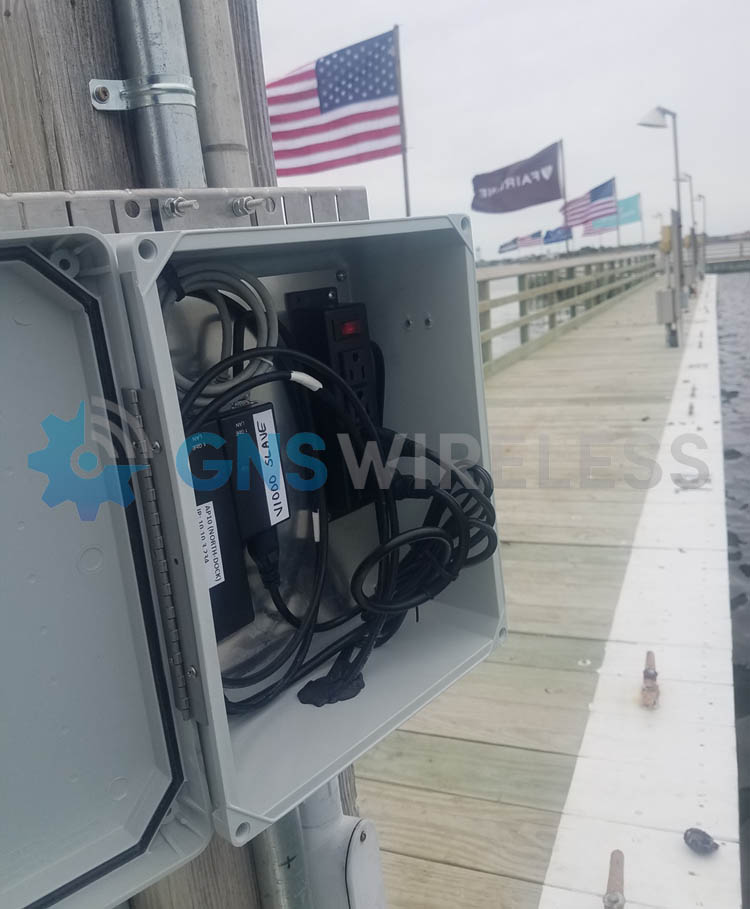
Always choose an enclosure based on more than just today’s hardware. A properly sized outdoor enclosure for WiFi equipment should allow room for:
-
PoE injectors or power supplies
-
Cable management and grounding
-
Future network expansion
Oversized enclosures improve airflow and make maintenance easier, especially for multi-device installations.
Ventilation and Thermal Management
Active networking hardware generates heat. For many deployments, an outdoor PoE switch enclosure benefits from passive vents or active cooling. Thermal management helps maintain safe operating temperatures and prevents heat-related performance issues.
Mounting and Security Options
Outdoor network enclosures should support wall mounting, pole mounting, or structure mounting depending on the installation site. Lockable doors and tamper-resistant hardware add an extra layer of protection in public or remote locations.
Choosing the Best Enclosure for Your Outdoor Network
Enclosures for Outdoor Wi-Fi Access Points
Smaller outdoor enclosures for wireless access points are ideal for protecting individual radios or compact devices. These are commonly used for:
-
Outdoor Wi-Fi coverage areas
-
Directional wireless links
-
Point-to-point and point-to-multipoint radios
Compact enclosures provide protection without unnecessary bulk.
Enclosures for PoE Switches and Power Equipment
Mid-sized outdoor enclosures with power are designed to house multiple devices, including switches, injectors, and power supplies. These are often used in distributed network layouts where power and switching need to be located outdoors near access points. Power outlets are already located inside the box, so wiring is quick and easy. It also keeps your setup nice and tidy.
Large Outdoor Network Cabinets and Telecom Enclosures
For larger deployments, a full outdoor network cabinet may be required. These enclosures support:
-
Multiple switches and power systems
-
Fiber termination and patch panels
-
Batteries and surge protection devices
They are commonly used in industrial facilities, large campgrounds, marinas, and municipal networks.
Installation Best Practices for Outdoor Network Enclosures
To get the most from your enclosure:
-
Use proper cable glands to maintain weatherproof seals
-
Ground all equipment according to electrical codes
-
Avoid direct sun exposure when possible to reduce heat load
-
Plan cable entry points before drilling or mounting
Even the best weatherproof enclosure with power can fail if installation details are overlooked.
Final Thoughts: Keeping Outdoor Networks Reliable
A well-designed outdoor network starts with proper protection. Choosing the right outdoor network enclosure ensures your Wi-Fi, switching, and wireless equipment performs reliably in harsh environments while minimizing maintenance and downtime.
By focusing on correct ratings, proper sizing, ventilation, and secure mounting, you can deploy outdoor networking equipment with confidence — knowing it’s protected for the long haul.
If you’re planning an outdoor installation, selecting the right enclosure isn’t optional — it’s foundational.
Need help choosing the right outdoor network enclosure?
Explore our full line of weatherproof outdoor enclosures or contact our team for assistance selecting the best solution for your application. (877) 209 – 5152
Outdoor Network Enclosures – Frequently Asked Questions
What size outdoor network enclosure do I need?
The right enclosure size depends on the type and quantity of networking equipment being installed. For single devices like a Wi-Fi access point or wireless bridge, smaller enclosures may be sufficient. Installations that include PoE switches, injectors, power supplies, or future expansion typically require larger enclosures to allow for airflow and cable management.
Common sizes include 14x10x4, 14x12x7, 18x16x8, and 20x16x11, each suited to different outdoor networking applications.
What equipment fits inside a 14x10x4 outdoor enclosure?
A 14x10x4 weatherproof enclosure is ideal for compact installations such as:
-
A single outdoor Wi-Fi access point
-
Small wireless radios or bridges
-
PoE injectors or low-profile power supplies
This size works well when space is limited and heat output is minimal.
When should I use a 14x12x7 outdoor network enclosure?
A 14x12x7 outdoor network enclosure offers additional depth and airflow, making it suitable for:
-
Wi-Fi access points with PoE injectors
-
Small unmanaged PoE switches
-
Outdoor wireless bridge equipment
It’s a popular choice for pole-mounted or wall-mounted outdoor Wi-Fi installations.
What is a good use case for an 18x16x8 outdoor enclosure?
An 18x16x8 outdoor enclosure is commonly used when housing multiple network components, such as:
-
PoE switches and power supplies
-
Wireless controllers or gateways
-
Network surge protection and grounding hardware
This size provides room for cable routing, ventilation, and future upgrades. If your cable modem is coming into the park on a pole, and you want the modem, router and maybe a POE switch to be housed inside, this sized enclosure would be perfect. It will allow air flow, ease of cable management, and when you open the lid, components wont fall out.
When is a 20x16x11 outdoor network cabinet recommended?
A 20x16x11 outdoor network enclosure is best for larger or more complex outdoor network deployments. Typical use cases include:
-
Multi-port PoE switches
-
Fiber termination panels
-
Batteries, controllers, and power distribution
These larger enclosures are often used in campgrounds, marinas, industrial sites, and distributed outdoor networks.
Do outdoor network enclosures need ventilation or cooling?
Yes. Many outdoor network installations benefit from ventilation or active cooling, especially when housing PoE switches or multiple devices. Larger enclosures, such as 18x16x8 or 20x16x11, provide more internal air volume and are better suited for fans or vent kits.
What NEMA rating is best for outdoor network enclosures?
Most outdoor networking applications require NEMA 3R, NEMA 4, or NEMA 4X enclosures.
-
NEMA 3R works for basic outdoor exposure
-
NEMA 4 / 4X provides enhanced protection against wind-driven rain, dust, and corrosion
Choosing the correct rating helps protect network equipment and ensures long-term reliability.
Can outdoor enclosures include power inside?
Yes. Many outdoor network enclosures are available with integrated 120V or 240V power options, allowing PoE switches, injectors, and power supplies to be safely installed inside the enclosure without exposed wiring.
Is it better to oversize an outdoor network enclosure?
In most cases, yes. Selecting a slightly larger enclosure improves airflow, simplifies installation, and allows room for future expansion. Oversizing is especially recommended when installing PoE switches or multiple networking devices outdoors.
Where are outdoor network enclosures commonly used?
Outdoor network enclosures are widely used in:
-
Campgrounds and RV parks
-
Marinas and waterfront facilities
-
Farms and agricultural properties
-
Industrial yards and warehouses
-
Outdoor security and surveillance systems
They provide reliable protection for network equipment in environments where indoor installation is not possible.